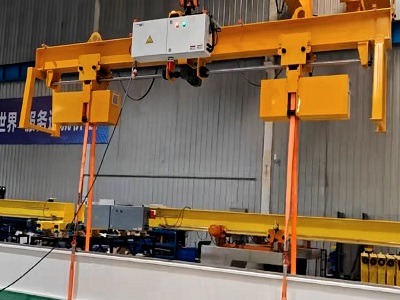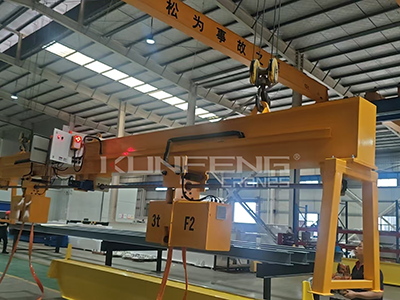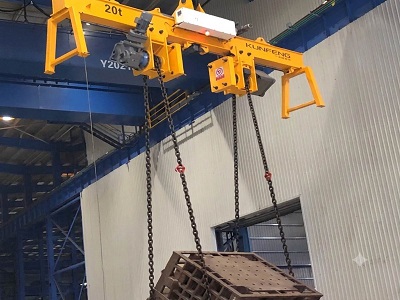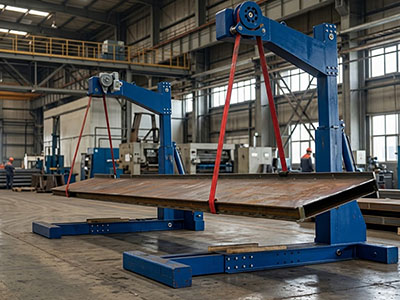
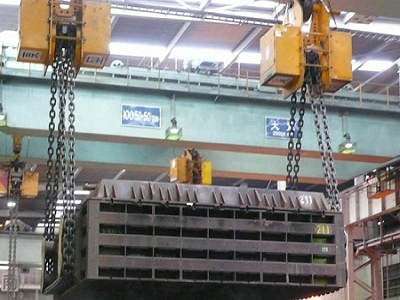
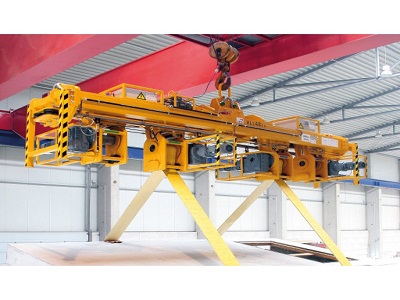
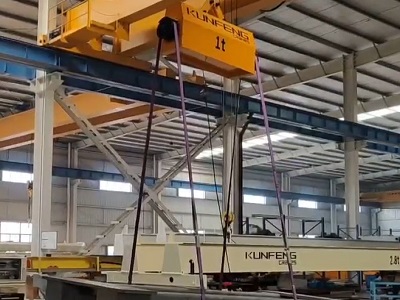
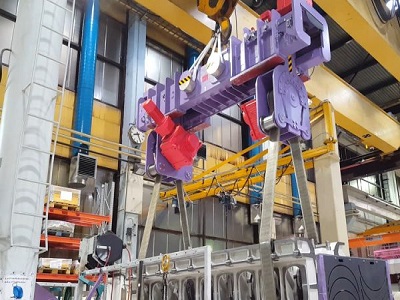
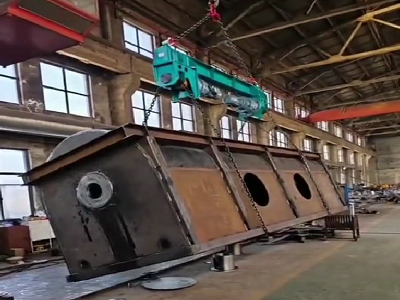
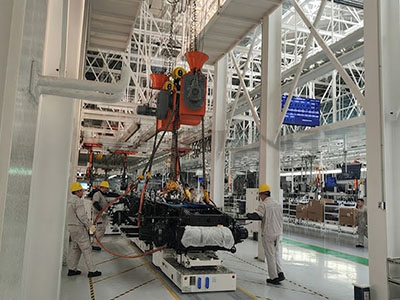
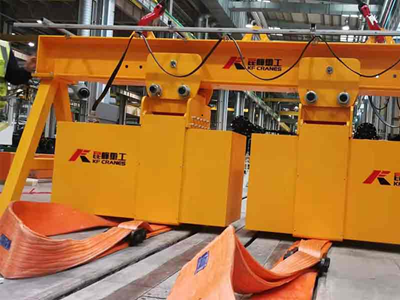
During the welding and assembly process of automotive chassis frames, workpieces are typically large, heavy and irregular in structure, making it difficult for traditional lifting methods to achieve stable and controllable turning operations. The belt load turner is an automated system that uses high strength lifting belts, drive mechanism and synchronous control system to achieve smooth flipping of large workpieces. It effectively solves the angle adjustment challenges encountered during welding, assembly, painting and inspection of automotive chassis frames.
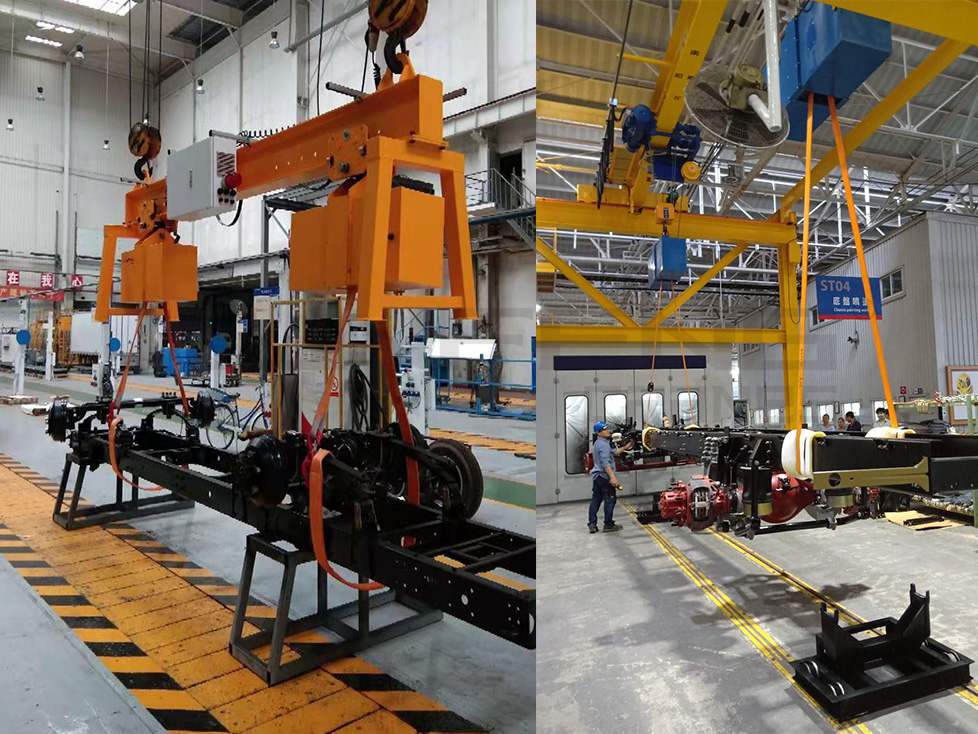
Belt Turning Technology Prevents Surface Damage to Workpieces
The automotive chassis frame is supported and wrapped by flexible lifting belts, while motor, reduction mechanism and synchronous control system work together to achieve smooth and stable rotating. Compared with traditional chain turning methods, belt type structures provide more even load distribution, larger contact areas and stronger adaptability. For long and irregular automotive chassis frames, flexible belt slings can effectively reduce localized deformation caused by concentrated pressure and help prevent scratches or surface damage to the workpiece.
High Capacity Structural Ensures Stable Operation of Heavy Workpieces
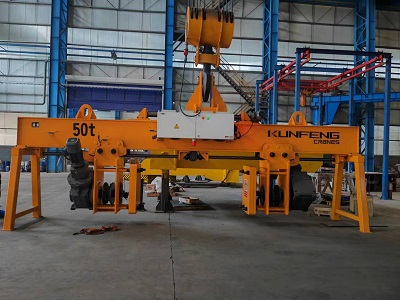
The turning device adopts high strength steel welded structure, and the overall frame is optimized through finite element analysis to improve bending and torsional resistance. The turning belts are made of wear resistant high strength composite fiber materials or steel-wire reinforced belts, offering excellent tensile strength and long-term durability under continuous turning operations. The drive system is equipped with servo motor or variable frequency motor combined with high precision gear reducers to ensure smooth power output. Dual-side synchronous drive units effectively prevent unbalanced loads and workpiece tilting during rotation, ensuring the automotive chassis frame remains stable throughout the operation.
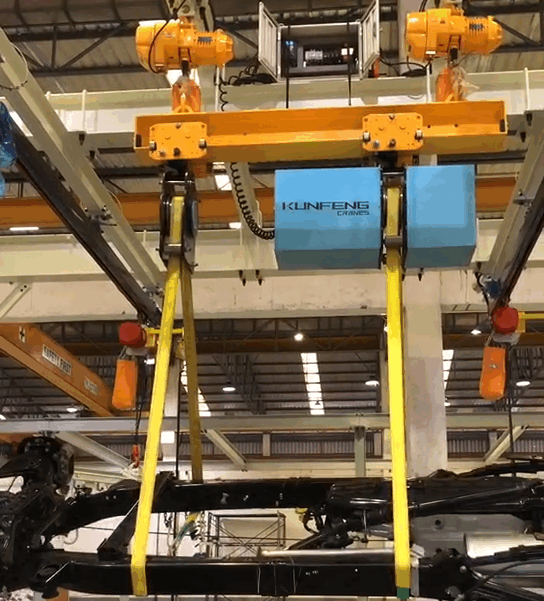
Integrated Application with Overhead Crane for Collaborative Handling
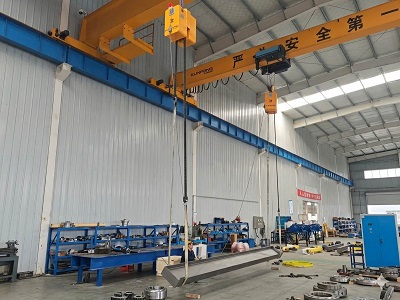
In automotive chassis frame flipping applications, the rotator device can be integrated with an overhead crane to create complete lifting, handling and turning system. The overhead crane is responsible for accurately transporting the chassis frame to the workstation, while the turning device connects to the crane hook to perform controlled 180° - 360° rotation of the workpiece. The coordinated operation of both systems significantly reduces manual intervention and repeated lifting operations, greatly improving the safety and efficiency of handling large workpieces.
Multiple Safety Protection Mechanisms Reduce Operational Risks
The turning device is equipped with multiple safety protection systems, including:
Overload protection system
Anti-slip detection device
Emergency stop control system
Limit protection mechanism
Automatic center-of-gravity balancing system
When the system detects abnormal loads, belt looseness or operational deviation, the equipment immediately stops and triggers an alarm to prevent workpiece dropping or structural damage.
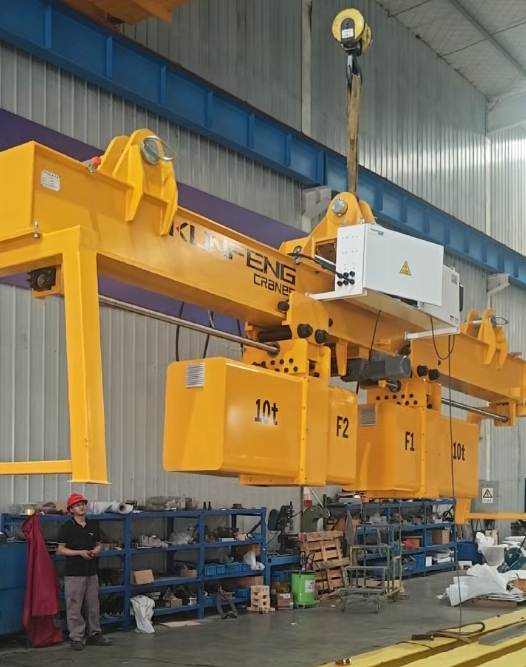
How to Choose the Suitable Industrial Rotator Turning Device
Confirm the maximum weight, dimensional range and center of gravity of the workpiece
Consider the required turning angle and production cycle time
Evaluate compatibility with the existing overhead crane in the workshop
Select belt slings or chain slings according to different workpiece requirements
Confirm the required safety protection level
Assess customization capabilities and after-sales technical support
As a professional manufacturer of load turning devices, KUNFENG can provide customized turning solutions according to different working conditions and application requirements. Feel free to contact our engineering team for professional technical support and equipment selection solution.