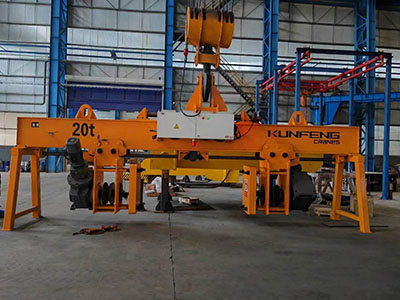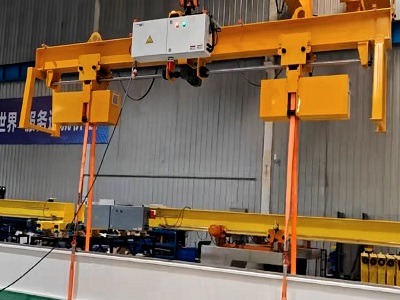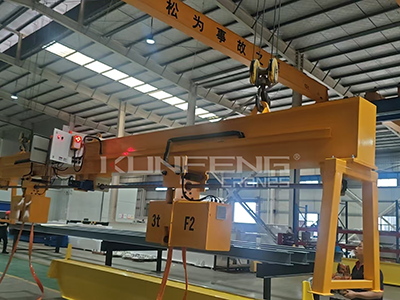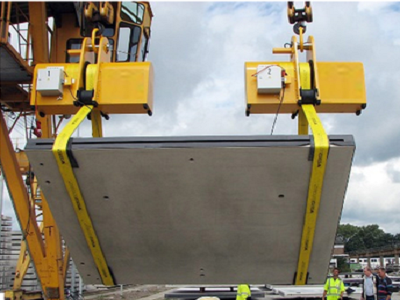
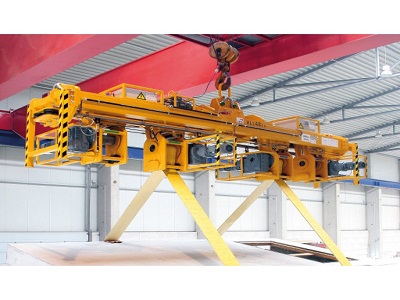
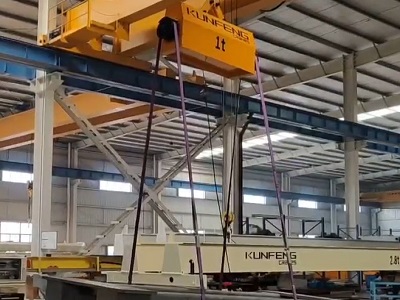
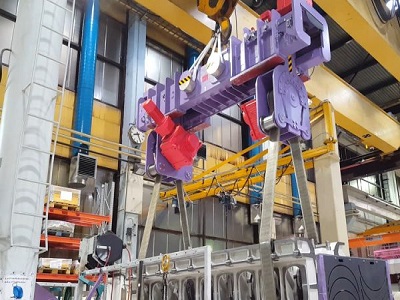
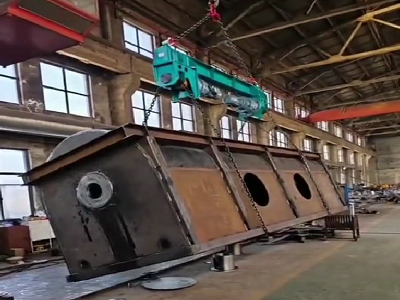
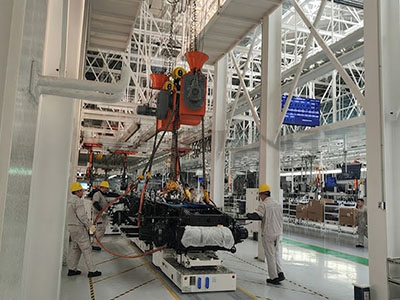
Efficient workpiece turnover has long been one of the essential factors in the manufacturing and routine maintenance of automotive stamping dies and big injection moulds. It is a key factor in determining workshop flow efficiency and operational safety. However, when dealing with enormous, heavy, high-value metal components with complex centers of gravity, in the selection of the Industrial Load Turner, many manufacturers have encountered the conundrum of 'difficult turnover, sluggish turnover and high risk'.
This article will analyse the pain spots of turnover in the automotive industry in detail, help you comprehend the selection logic of different workpieces, and guide you to avoid hidden hazards in equipment purchase.
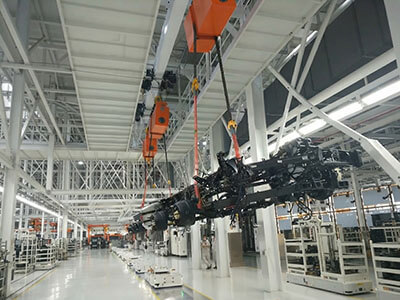
Why Are Traditional Lifting and Rotating Method Inefficient?
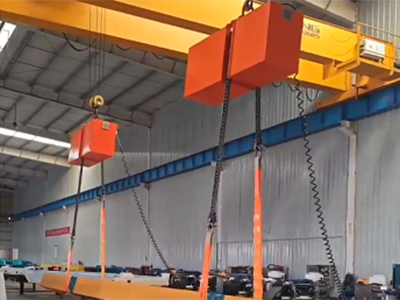
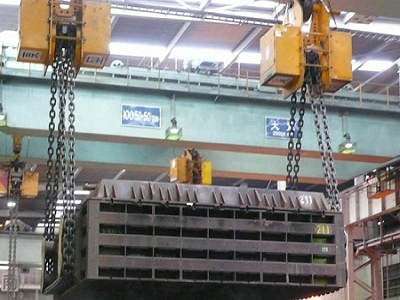
In actual workshop operations, relying on traditional overhead cranes to handle molds or heavy castings weighing tens of tons often exposes three major weaknesses:
Limited Rotation Angles and Low Efficiency: Traditional crane-based flipping requires multiple lifts, wire rope repositioning, and maneuvering. This not only consumes 3–4 laborers, but completing a 90° or 180° turning often takes several hours.
High and Persistent Safety Risks: Large molds and heavy machinery hold extremely high value. If slippage, tilting, or instability occurs during the rotating and turning process, it can easily lead to equipment damage or even severe safety accidents.
Insufficient Precision for Die Spotting and Maintenance: During the die-spotting, trial molding, or fine maintenance stages of automotive stamping dies, the process must be smooth and impact-free. Crude crane-lifting turnover cannot achieve smooth stepless speed regulation and easily damages mold cavities.
Specific Requirements of Different Molds for Industrial Load Turners
The shape and process requirements of molds determine the selection of the mechanical structure. Matching turning angles to equipment types across different application scenarios includes:
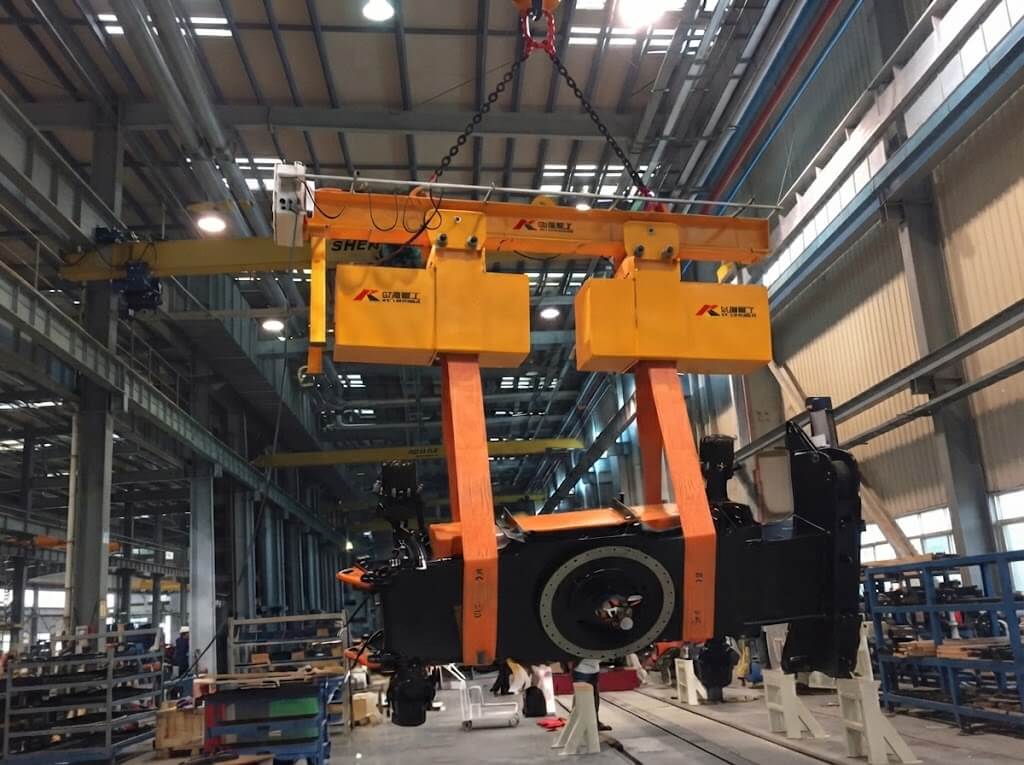
Automotive Stamping Dies & Injection Molds
Process Scenarios: Upper and lower mold separation, die-spotting inspection, cavity cleaning, and side mechanism maintenance.
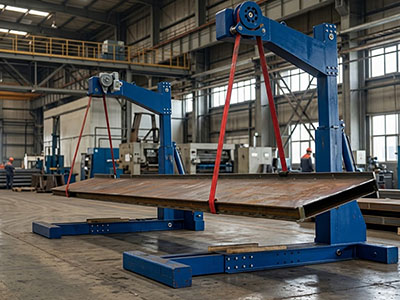
Core Requirements: Typically requires a 90° Load Turning Device. The equipment must run smoothly and position accurately to ensure that no mechanical stress damage occurs inside the mold due to shaking during the transition between vertical and horizontal states.
Large Complex Die-Spotting & Double-Sided Inspection
Process Scenarios: Comprehensive turnover inspection of large panel molds, bottom cleaning of deep-cavity molds, and multi-side machining operations.
Core Requirements: Often uses a 180° Load Turning Device. The equipment must possess strong load-bearing rigidity and be capable of smooth locking throughout the entire stroke to meet the production rhythm of continuous double-sided mold operations.
Hidden Parameters for Industrial Load Turners
When purchasing a 90° or 180° Load Rotator, looking solely at the maximum load capacity is often insufficient. Senior engineers recommend focusing on the following hidden parameters during evaluation:
Load Center Matching: Many factories easily overlook the issue of workpiece center-of-gravity deviation. If the workpiece shape is asymmetric, its actual eccentric distance will far exceed the nominal load. During selection, the center of gravity height and eccentric distance must be factored into the calculations.
Hydraulic and Electrical Protection Systems: High-quality equipment should feature overload protection, hydraulic locking devices, and power-off self-locking functions to ensure that workpieces will never drop under unexpected circumstances.
Customized Support
Choosing the right Industrial Load Turner can not only exponentially increase workshop operational efficiency, but is also a key safeguard for the safety baseline of high-end manufacturing.
For complex operating conditions involving mold manufacturing and large structural components, customized professional equipment is crucial. You can contact our professional team to obtain customized solution support tailored to your specific industry.