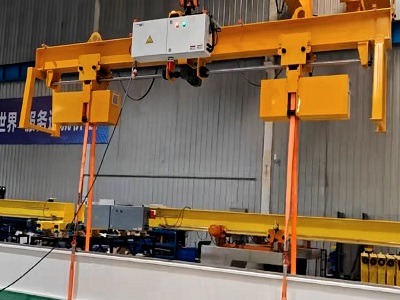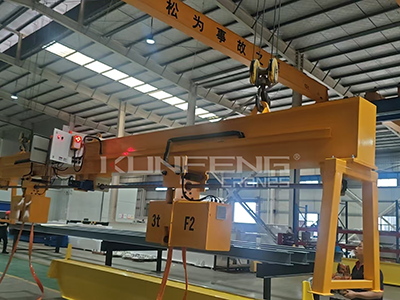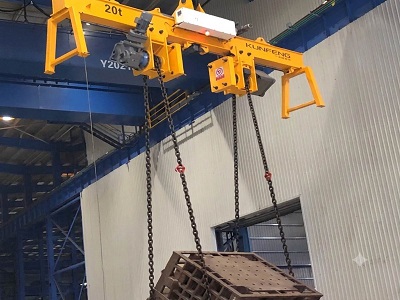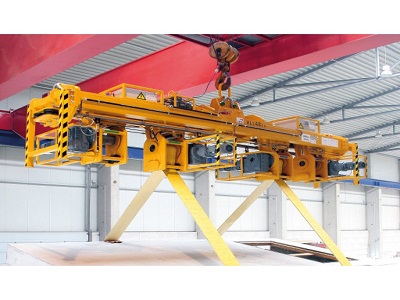
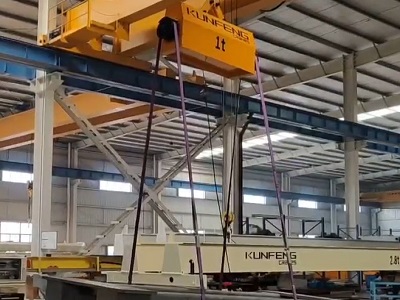
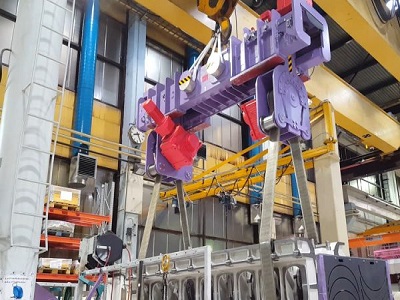
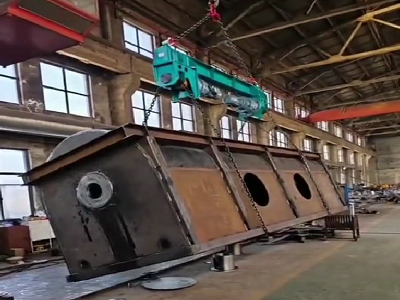
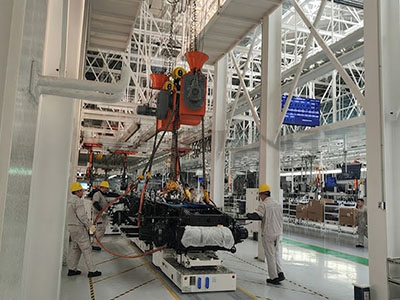
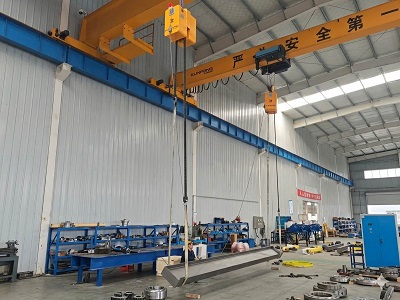
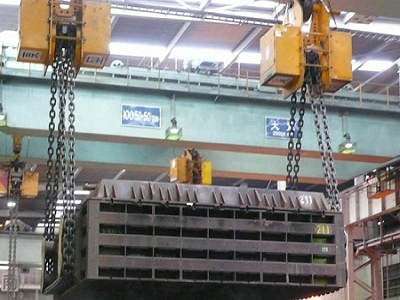
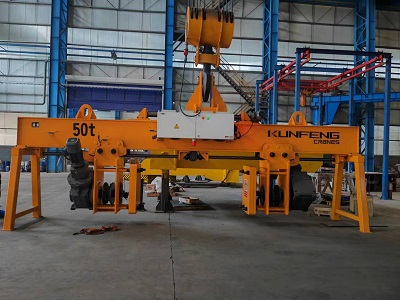
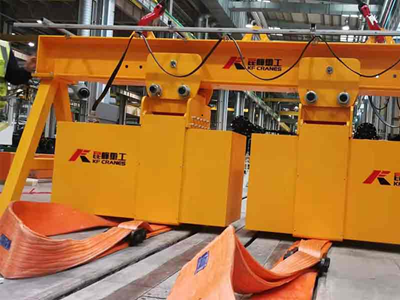
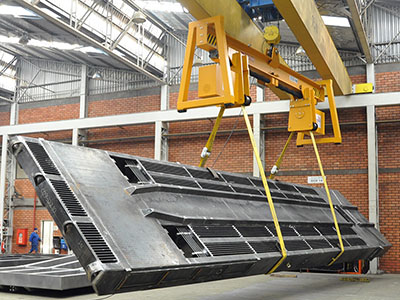
In heavy-duty vehicle manufacturing, flipping a truck chassis is one of the riskiest jobs on the floor. A typical 8×4 truck frame is 9–12 meters long, weighs 8–25 tons, and carries an asymmetric weight distribution due to crossmembers, brackets, and embedded wiring harnesses. Flipping it with an overhead crane and slings means uncontrolled swing, point-loading on welded joints, and a high risk of scratched paint or twisted frames. A belt load rotator solves this by gripping the chassis with wide, flexible belts and rotating it through a controlled 180° flip smoothly, repeatably, and with zero manual handling at height.
How does this heavy-duty mechanism achieve a flawless turnaround? Let’s walk through the process step by step.
Step-by-Step Guide: How a Belt Machine Flips a 20-Ton Truck Chassis
Transitioning a 20-ton heavy-duty truck frame from an inverted welding position to an upright position requires a complete process where mechanical and digital control systems work in coordination:
Step 1: Precise Clamping and Securing
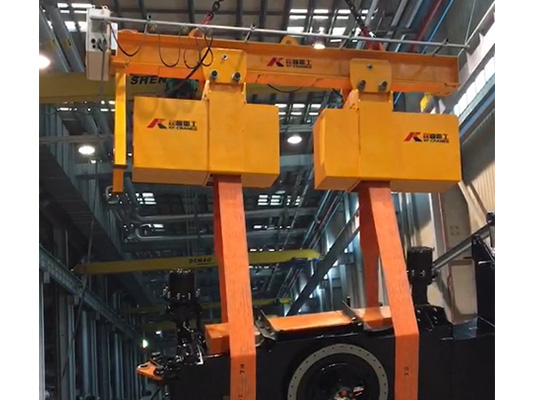
At the start of the operation, the 20-ton chassis is hoisted by an overhead crane onto the designated support frame. Specially designed clamping devices and adjustable support arms distributed along the 10–12 meter frame securely lock the chassis in place. Meanwhile, high-strength polyester straps (safety factor ≥ 7:1) evenly wrap around and distribute the 20-ton load—ensuring that no slipping, sliding, or displacement occurs during the high-torque turnover process. For more background on how such equipment integrates into the overall manufacturing process, refer to our detailed guide, Application of Turnover Machines in the Automotive Industry.
Step 2: Drive System Activation and Power Transmission
Once the chassis is secured, the dual-motor synchronous drive system of the belt-type turnover machine is activated. Power is smoothly transmitted to the belt drive system via heavy-duty reducers. The drive belt starts progressively within 5–10 seconds, gradually overcoming the static inertia of the 20-ton steel structure rather than generating a sudden shock.
Step 3: Controlled Rotation
As rotation begins, the 20-ton chassis passes through several critical angles—especially the 90-degree vertical position, where the center of gravity is highest and torque demand reaches its peak. In this range (typically 70°–110°), the system automatically reduces the turnover speed and engages mechanical locking pawls, securely holding the 20-ton frame even in the event of a sudden power failure. The continuous, loop-like transmission of the belt ensures even torque application, preventing the frame from swaying or vibrating in mid-air.
Step 4: PLC Control for Speed and Angle Adjustment
Modern belt-type turnover machines integrate PLC (Programmable Logic Controller) systems with a variable frequency speed regulation range of 0.2–1.2 rpm and a positioning accuracy of ±0.5°. Operators can precisely adjust the turnover speed and monitor the exact flip angle in real time—a 180-degree flip for a 20-ton frame typically takes 4–6 minutes. This level of automation is crucial for complex operations—especially when handling chassis pre-embedded with precision wiring harnesses or air lines, where the low and evenly distributed contact pressure of the belts effectively protects precision components. To ensure maximum operational safety throughout the heavy-duty cycle, operators should always follow the established guidelines detailed in the article Safety Operating Procedures for Chassis Turnover Machines.
Step 5: Precise Positioning and Unloading
When the truck chassis completes its 180-degree flip, the drive system automatically brakes and engages mechanical locks at the 0°/90°/180° positions. The 20-ton chassis remains stable for final inspection or transfer to the next assembly station—enabling single-person operation and completing the entire cycle within 5 minutes, making it both fast and safe.
Note: This product series covers a load range of 5–40 tons; this article uses the 20-ton class as an example for illustration.
From High-Risk Operations to Efficient Smart Manufacturing
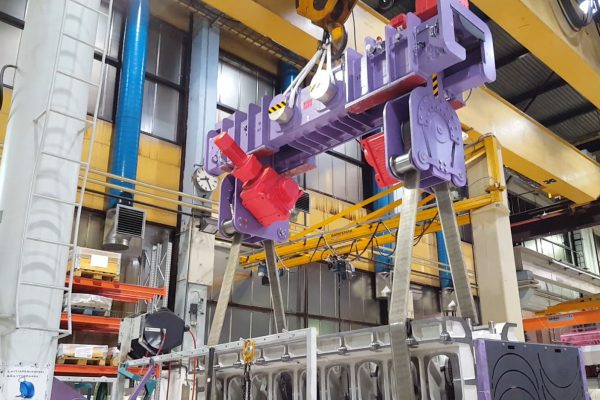
Traditional overhead crane flipping is not only dangerous and time-consuming, but it also easily damages the frame and precision wiring harnesses. By introducing a belt load rotator, heavy-duty vehicle manufacturers can completely eliminate the safety hazards of working at heights while stabilizing the turnover cycle time within 5 minutes. This not only significantly boosts production efficiency but also lays a solid foundation for upgrading the workshop toward automation and intelligence.
Upgrade Your Chassis Line — Get a Free Layout Proposal
Send us your chassis dimensions, weight, and station layout, and our engineers will return a free customized technical proposal within 48 hours, including drawings and cycle-time calculation.