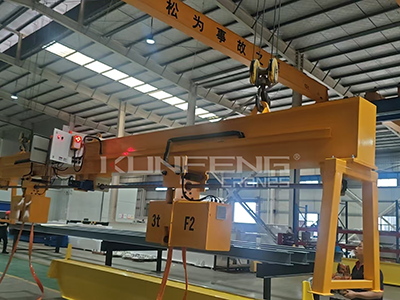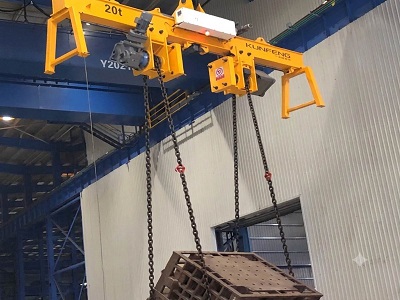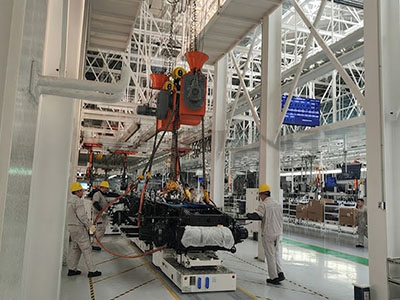
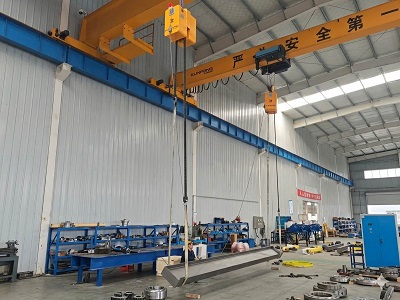
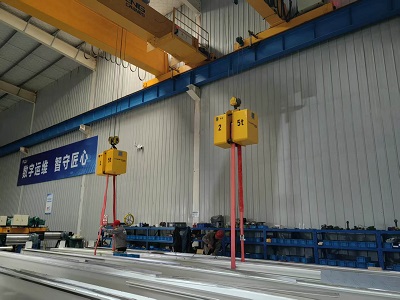
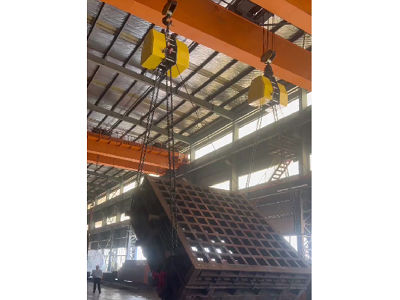
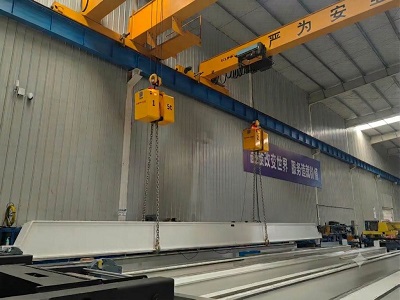
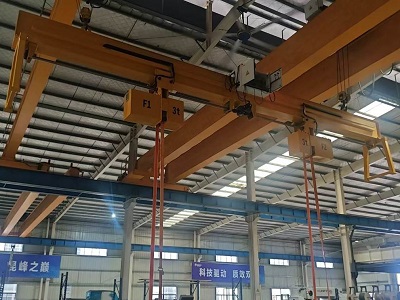
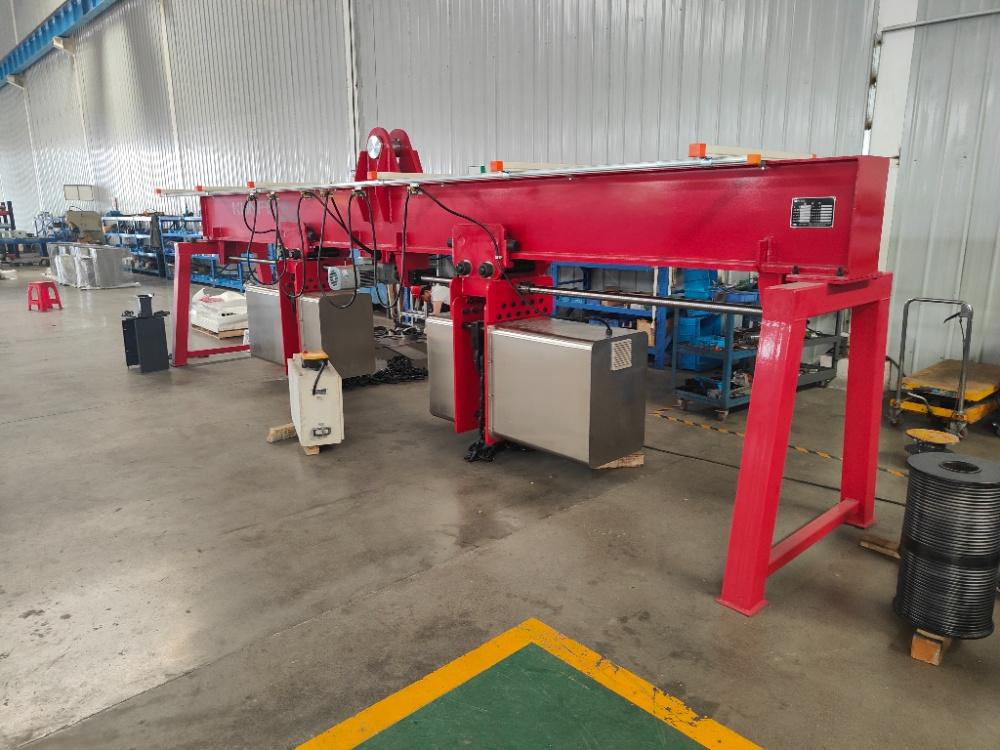
Strict operational safety and high production efficiency are critical in modern heavy manufacturing, yet traditional cranes often struggle to flip oversized loads safely. A rotating lifting device is heavy-duty machinery used to lift and rotate heavy workpieces, molds, and structural components up to 360 degrees for assembly, welding, and maintenance. Here is why modern workshops are adopting specialized
1. Eliminating Overhead Crane Risks and Rigging Hazards
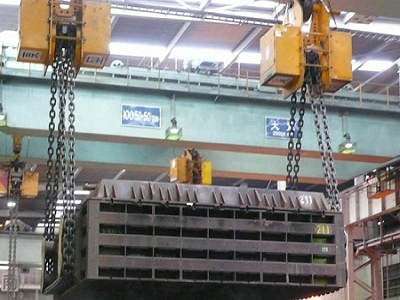
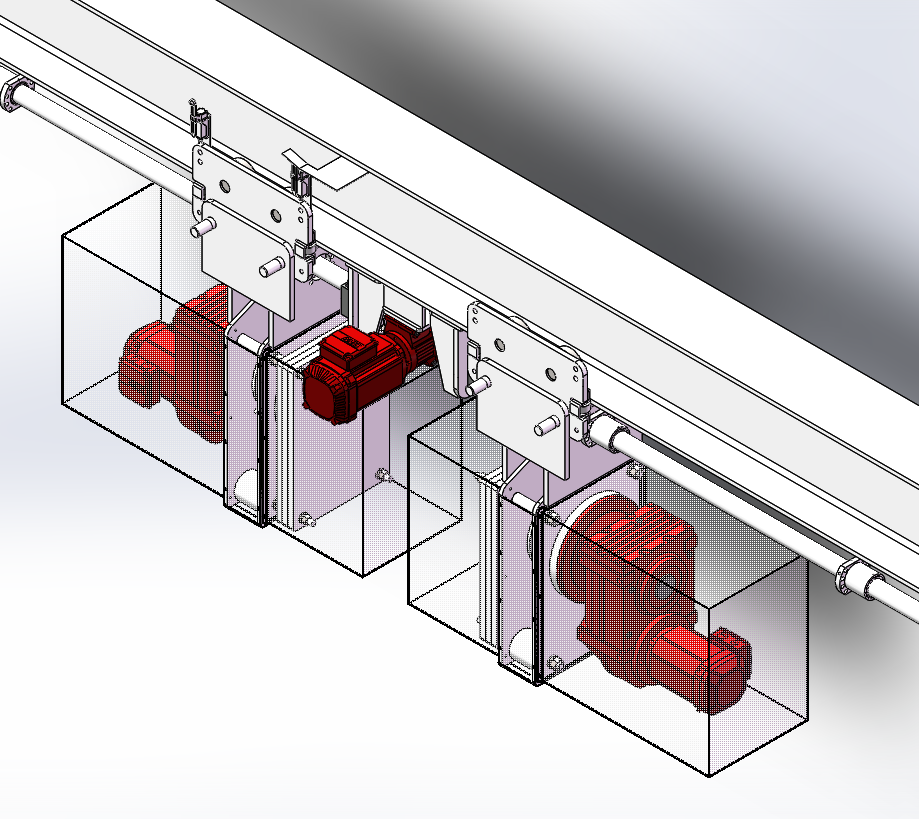
Lifting and Flipping heavy steel beams, injection molds, or large fabrications using a single crane hook and wire ropes is inherently risky. When a load crosses its center of gravity during a turn, it can suddenly snap, swing uncontrollably, or place extreme side-loading stress on the crane hoist. Rotating Lifting Device eliminate this tipping-point shock. Driven by synchronized motor systems and specialized belts or chains, rotating lifting device allows smooth, continuous 0° to 360° rotation. The operator retains total control over the motion, preventing violent load shifts and ensuring full compliance with factory safety standards.
2. Preventing Surface Damage on High-Value Workpieces
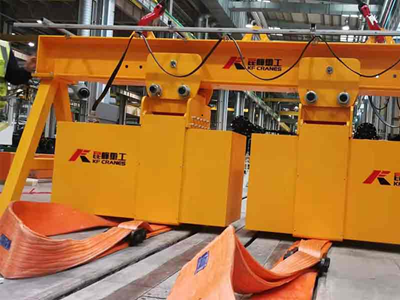
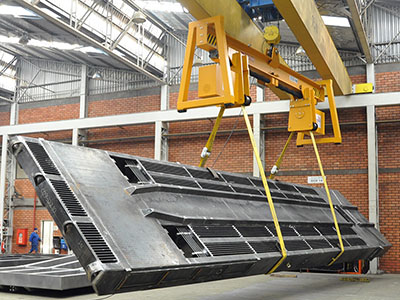
Direct contact with steel wire ropes or rigid chain slings frequently damages machined surfaces, delicate paint finishes, or polished edges. For high-precision components like wind turbine parts, heavy engine blocks, or custom dies, surface scratches lead to costly rework or high scrap rates. Rotating Lifting Equipment solve this issue by utilizing specialized lifting belts or cushioned drive systems. By distributing weight evenly across high-durability polyurethane-coated slings, the equipment achieves true scratch-free handling during 90° or 180° inversion.
3. Unlocking Plant Efficiency and Releasing Overhead Cranes
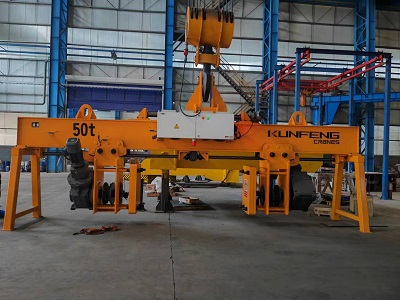
Executing a 180° flip with traditional equipment often requires two overhead cranes working in tandem, along with three or four experienced riggers manually adjusting fixed rigging points to fit varying workpiece dimensions. This process can tie up critical lifting infrastructure for up to an hour, causing bottlenecks across the entire assembly floor. With rotating lifting equipment, particularly configured with Adjustable Width Rotating Lifting Beams to handle different load sizes automatically, load handling becomes a streamlined, single-operator task. Using a remote pendant or wireless control, one operator can complete a full flip in just a few minutes. This drastically reduces downtime, lowers labor costs, and frees up overhead cranes for main transport duties.
4. Optimizing Ergonomics for Welding, Assembly, and Inspection
Quality craftsmanship requires comfortable access. When a workpiece cannot be secured at an optimal orientation, welders and technicians are forced into awkward postures—overhead welding, excessive bending, or climbing temporary scaffolding—which leads to fatigue and inconsistent work quality. Rotating lifting equipment offers stepless, precise angle positioning. Whether a component needs to be held at 45° for an ergonomic weld seam, at 90° for mold maintenance, or turned completely upside down for final inspection, the system locks the load securely at the ideal working height and angle.
Manual flipping with overhead cranes always leaves room for costly mistakes—scraped edges, dangerous load shifts, and wasted labor. Rotating lifting device puts 360-degree precision control directly into the operator's hands, replacing multi-man rigging with safe, single-user operation. Looking to upgrade your rotating lifting device? Contact our engineering team today to explore custom-engineered solutions tailored for heavy industrial applications.