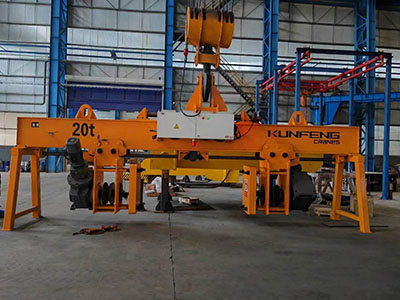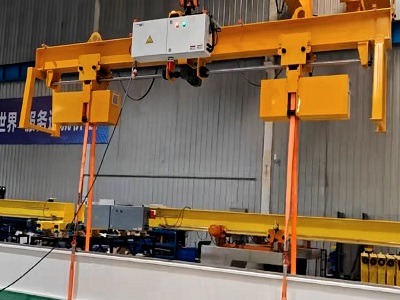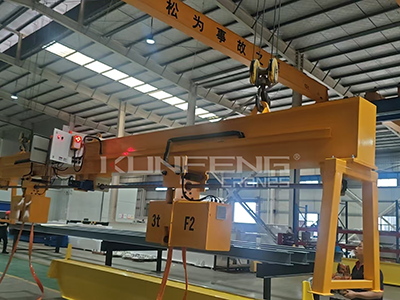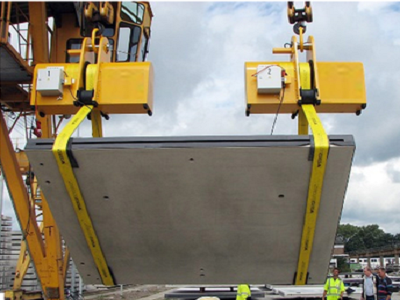
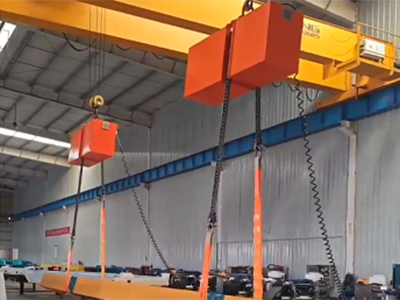
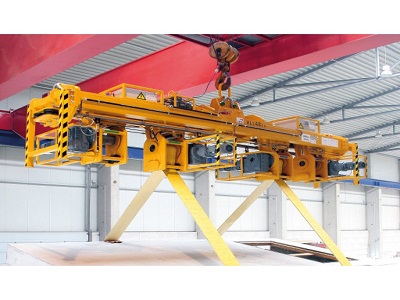
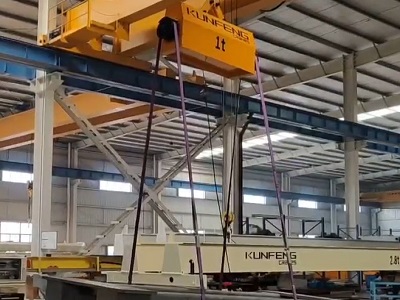
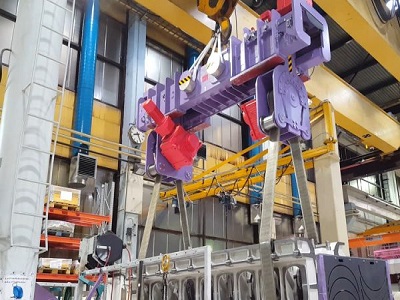
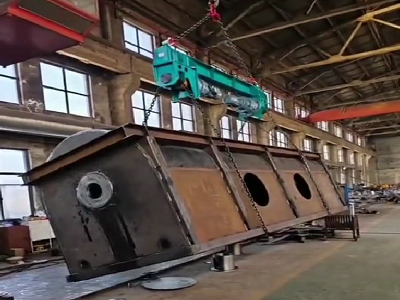
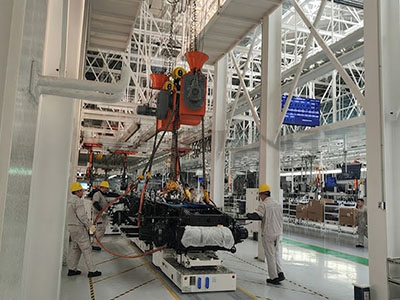
In heavy industries, dealing with bulky, complex, and unevenly distributed weldments has always been a major bottleneck. Traditional manual flipping or single-point rotation methods frequently suffer from poor stability, low efficiency, and significant safety risks.
How can heavy-duty manufacturing overcome these challenges? By deploying a synchronized dual-machine setup—such as an advanced Belt Electric Load Rotator —operators can completely transform how heavy components are handled at the welding station, achieving seamless, safe, and highly efficient performance.
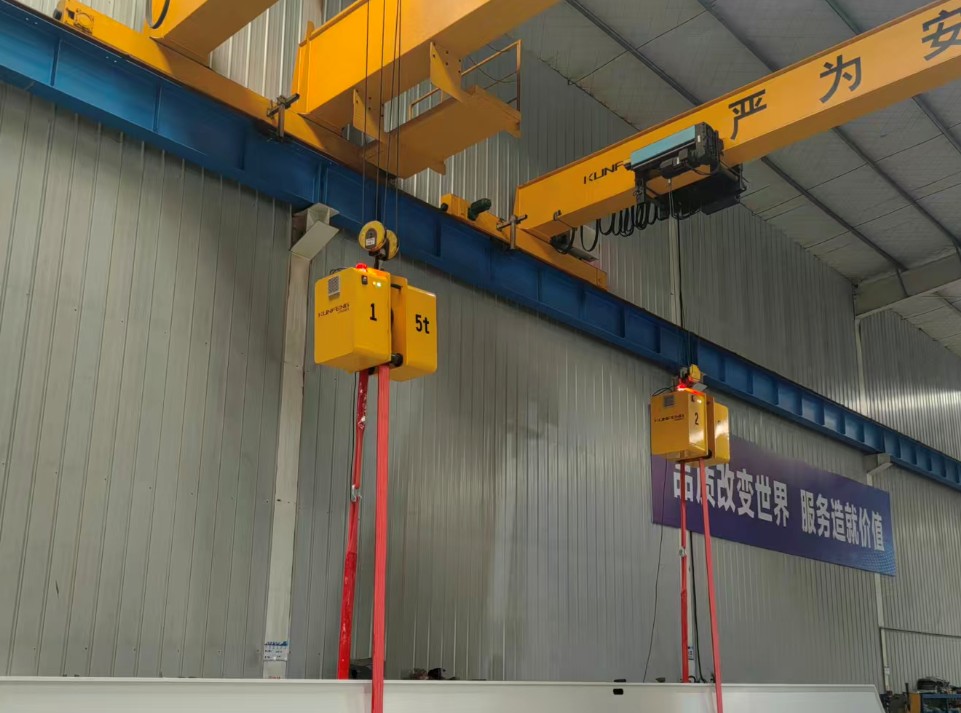
Operating Principle: How Dual-Point Synchronization Works
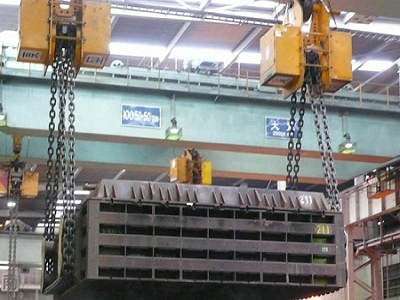
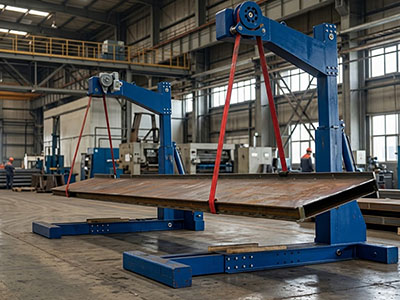
By configuring a load rotator at each end of the heavy workpiece, the system achieves dual-point lifting and synchronized rotation through a streamlined process:
The two rotators bear the weight of the weldment separately to distribute stress evenly.
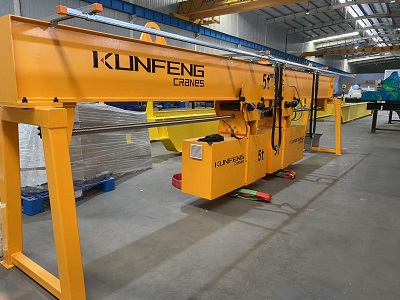
Both units are mounted on the overhead bridge crane to safely lift and suspend the load.
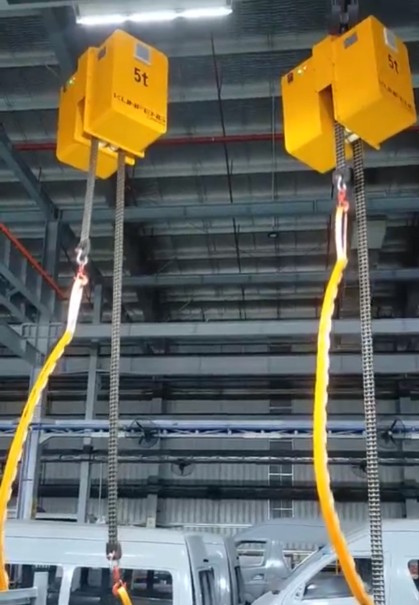
A built-in synchronous control system is adopted to ensure uniform rotation speed and angle across both ends.
This collaborative mechanism enables smooth, continuous $0^circ text{--} 360^circ$ rotation of the workpiece without mid-air sway.
Configuration and Technical Key Points of The Load Rotators
To guarantee absolute safety and precision during complex turnovers, modern dual-rotator systems rely on several vital technical features:
Synchronous Control System: Ensures perfectly consistent rotation angle and speed to prevent frame twisting.
Adjustable Support Structure: Flexibly adapts to workpieces of varying lengths and complex shapes.
Safety Limit and Emergency Locking Mechanism: Actively prevents accidental slipping or power-failure drop risks.
Customizable Load Capacity: Meets diverse requirements ranging from light-duty components to extreme heavy-duty structures.
Upgrade Your Load Rotators Today
If you are looking for a reliable load rotators e for lifting and rotating heavy loads across diverse manufacturing sectors, click to contact us for free technical consultation and product quotation. Our engineers will provide you with a tailored turning solution suitable for your specific production applications.