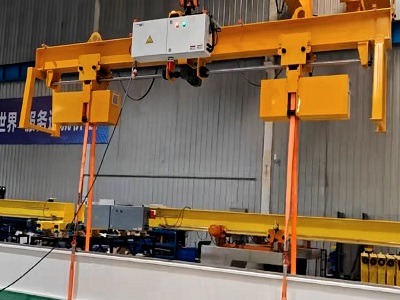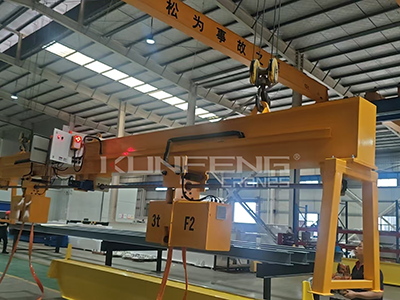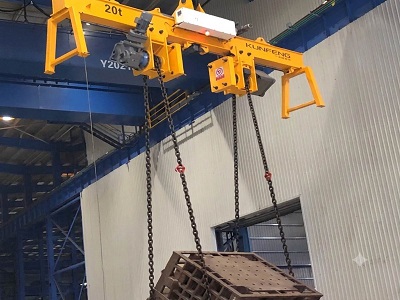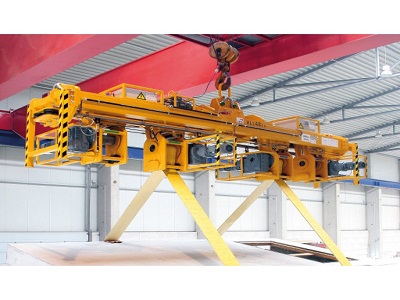
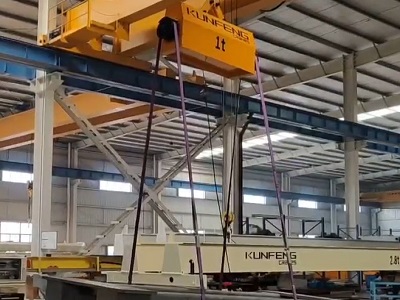
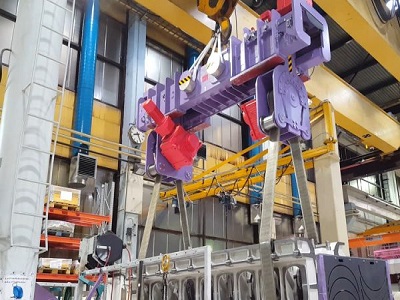
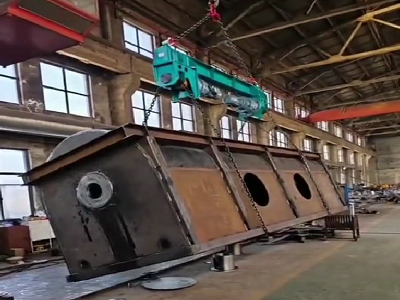
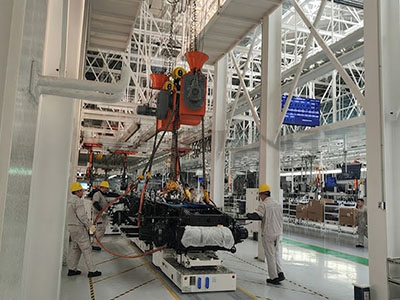
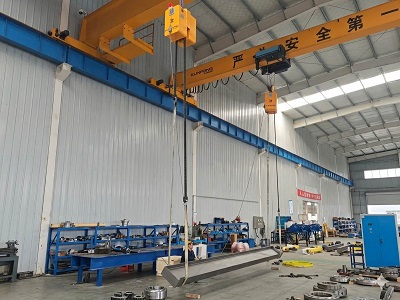
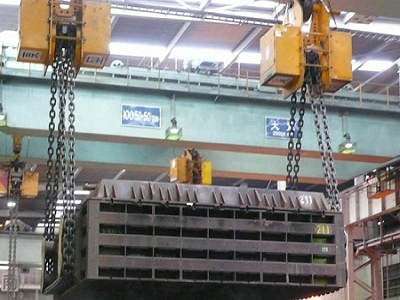
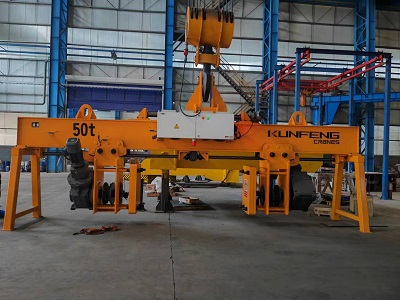
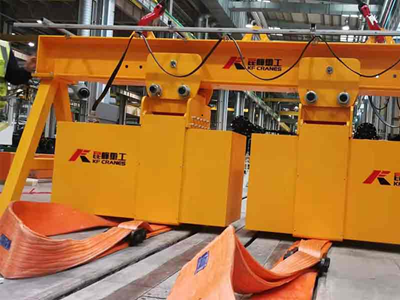
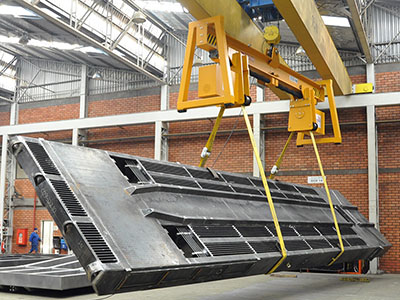
Rotator turning device is widely used for lifting and turning operations of frames, steel structures, marine engines, molds and large workpieces. Its core function is to safely and controllably rotate workpieces from one angle to another, enabling efficient and precise material handling. When purchasing turning device, evaluating factors such as model selection, installation and maintenance, industry applications can help enterprises choose load turning solution suitable for their working conditions.
Clarify Purchasing Objectives
Maximum and minimum workpiece weights
Workpiece dimensions
Target turning angle and method
Operating environment (temperature and humidity, presence of corrosive media, cleanliness level, explosion-proof design, etc.)
Mounting conditions (mounted on a crane or beam)
Positioning accuracy
Whether automatic balancing is required
Selection Guide for Rotator Turning Device
Load Capacity: Determine the rated load capacity of the turning device based on the weight and shape of the workpiece. It is recommended to select a model with a rated load slightly higher than the actual workpiece weight to ensure long-term safe operation.
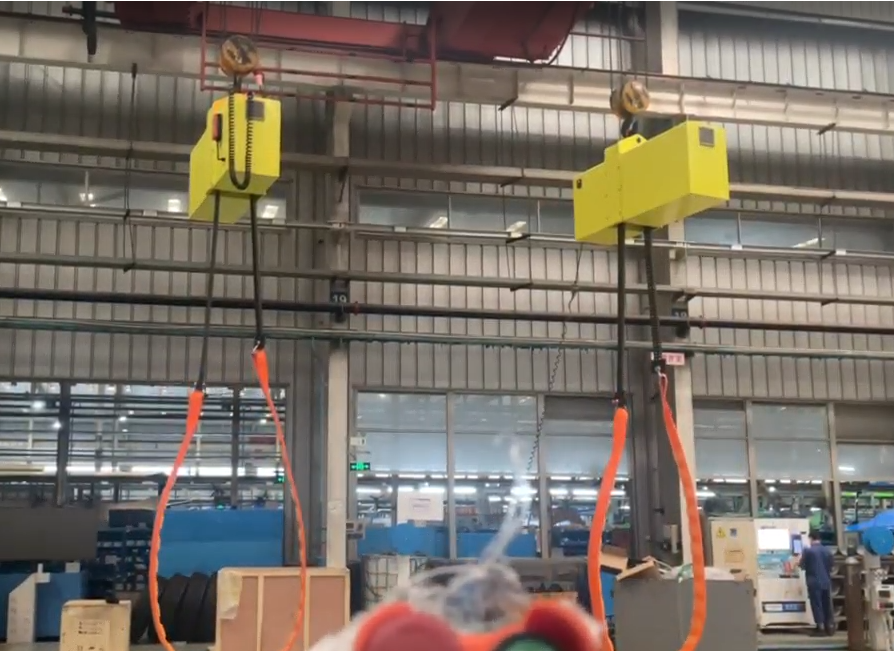
Turning Angle and Speed: Different processes have varying requirements for turning angle and speed. Automotive parts assembly requires precise 180° turning with adjustable speed, while metal sheet processing can achieve 360° continuous rotation to support batch operations.
Drive Mode: Electric drive is suitable for high-precision and controllable turning scenarios. Wireless remote control is adopted for convenient operation and reduced labor costs.
Safety Features: Mechanical limit and locking devices, anti-drop and anti-impact design, emergency stop device and alarm system.
Compatibility: Verify that the turning device is compatible with existing lifting equipment, production line layout and working environment, ensuring that the operating space and installation conditions meet the requirements.
Installation and Maintenance of Load Turning Device
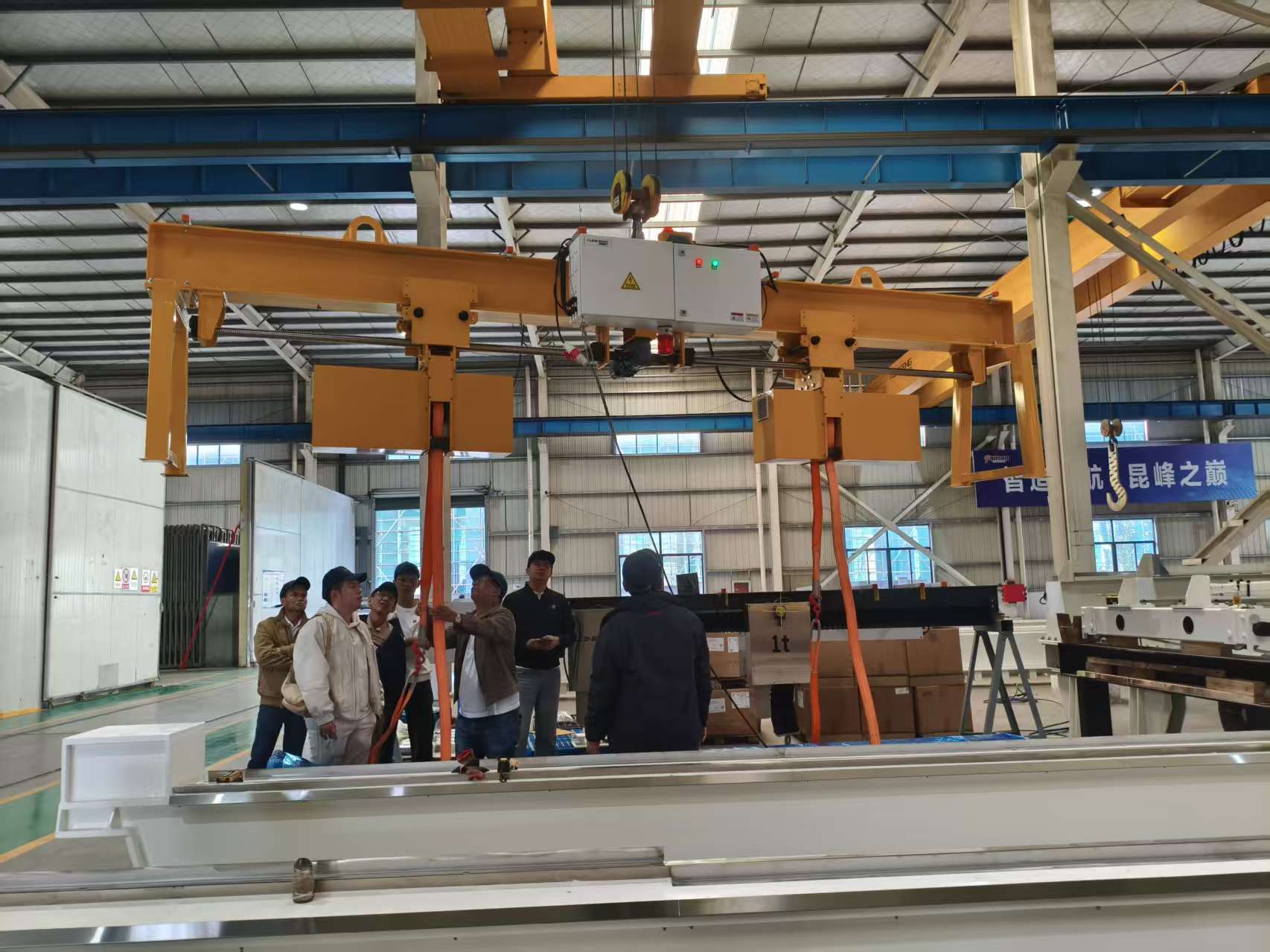
Installation: Precisely installed by a professional engineering team according to on-site working conditions, ensuring stable support structure and smooth turning motion.
Maintenance: Regularly inspect the lubrication system, electrical circuits and mechanical connecting parts to ensure long-term stable operation of the equipment.
Operation Training: Provide training for operators to ensure proper use and competence in emergency.
Industry Application Cases
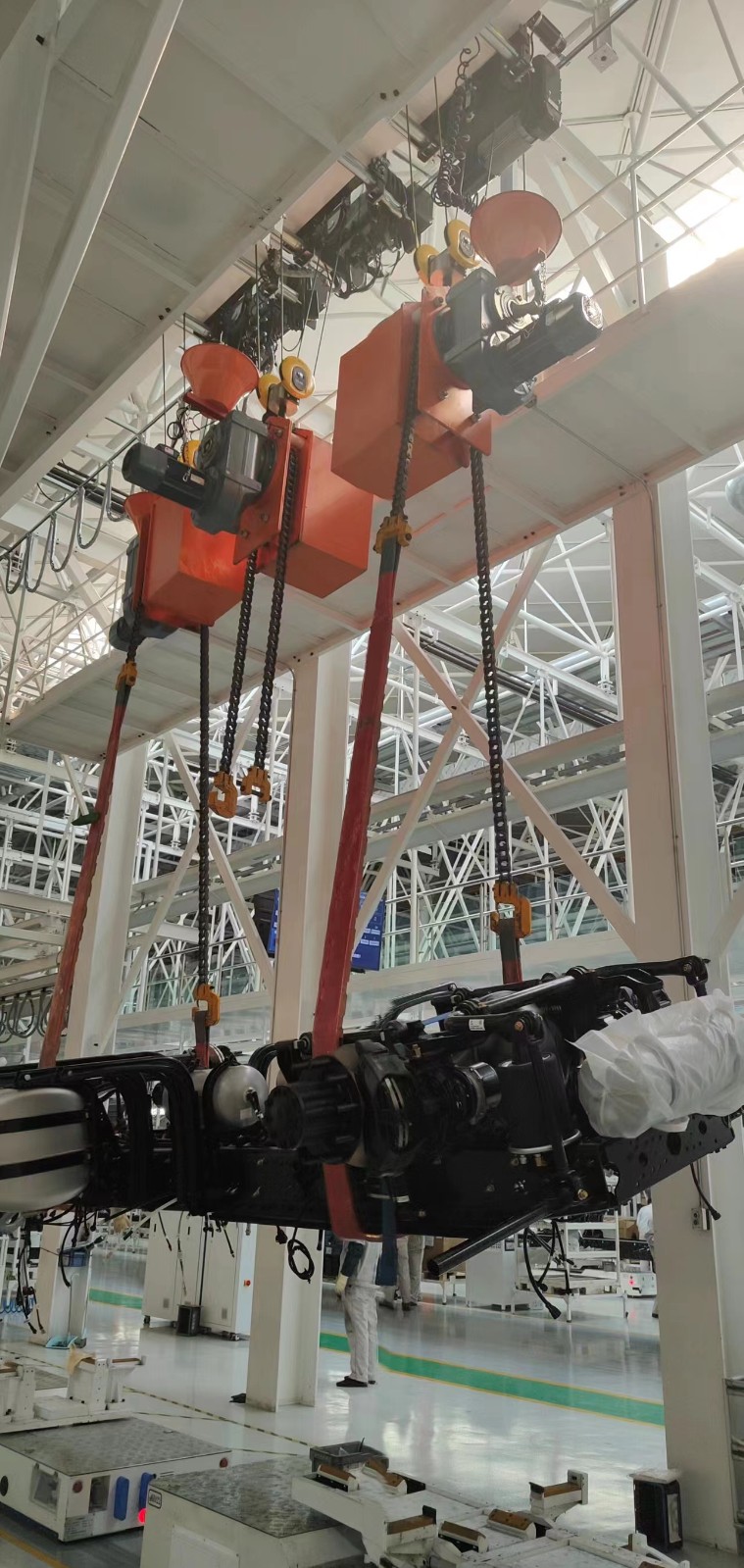
Automotive Production Lines: Used for the safe turning of car bodies, chassis and engine compartments to improve assembly efficiency.
Metal Processing Industry: Applied in the turning of metal sheets and steel coils, reducing manual handling risks and enhancing processing accuracy.
Casting & Mold Workshops: Used for turning heavy sand boxes and special-shaped parts from one side to the other, minimizing manual operation risks.
Why Choose KUNFENG Rotator Turning Device
Extensive manufacturing and production experience with competitive pricing advantages
Capability to provide customized solutions
Reliable installation, commissioning and after-sales service
Complete technical documentation and operation guidance support
Contact us today with your specific requirements. Our technical team will provide accurate load calculations, model recommendations and a detailed quote.